


Choose hardware and model together
Task and resources determine the technical design.
Suggestions appear from three characters.
No match. Try another term or choose a topic below.
Validate the controller against a model
The topic area at a glance
Customers we work for
Joint projects and their results
Working at IQstruct Engineering
ISO 9001 and TISAX
Alliances, associations, marketplaces
Quality policy and certificate

Local AI systems make it possible to process company information on your own infrastructure.
A language model is quick to try out. In continuous use, however, memory demand, response times and concurrent use have to match the hardware. Updates, access rights and the question of which outward connections are allowed come on top. Local operation therefore needs more than a powerful computer: selection, setup and support have to be planned as one connected task.
In a free first conversation we clarify which data must not leave the house and how much computing power the use case calls for.
Task and resources determine the technical design.
Local processing is coordinated with access and external connections.
Monitoring, updates and support receive agreed responsibilities.
IQstruct Engineering takes on requirements analysis, hardware selection, installation and integration of local AI systems.
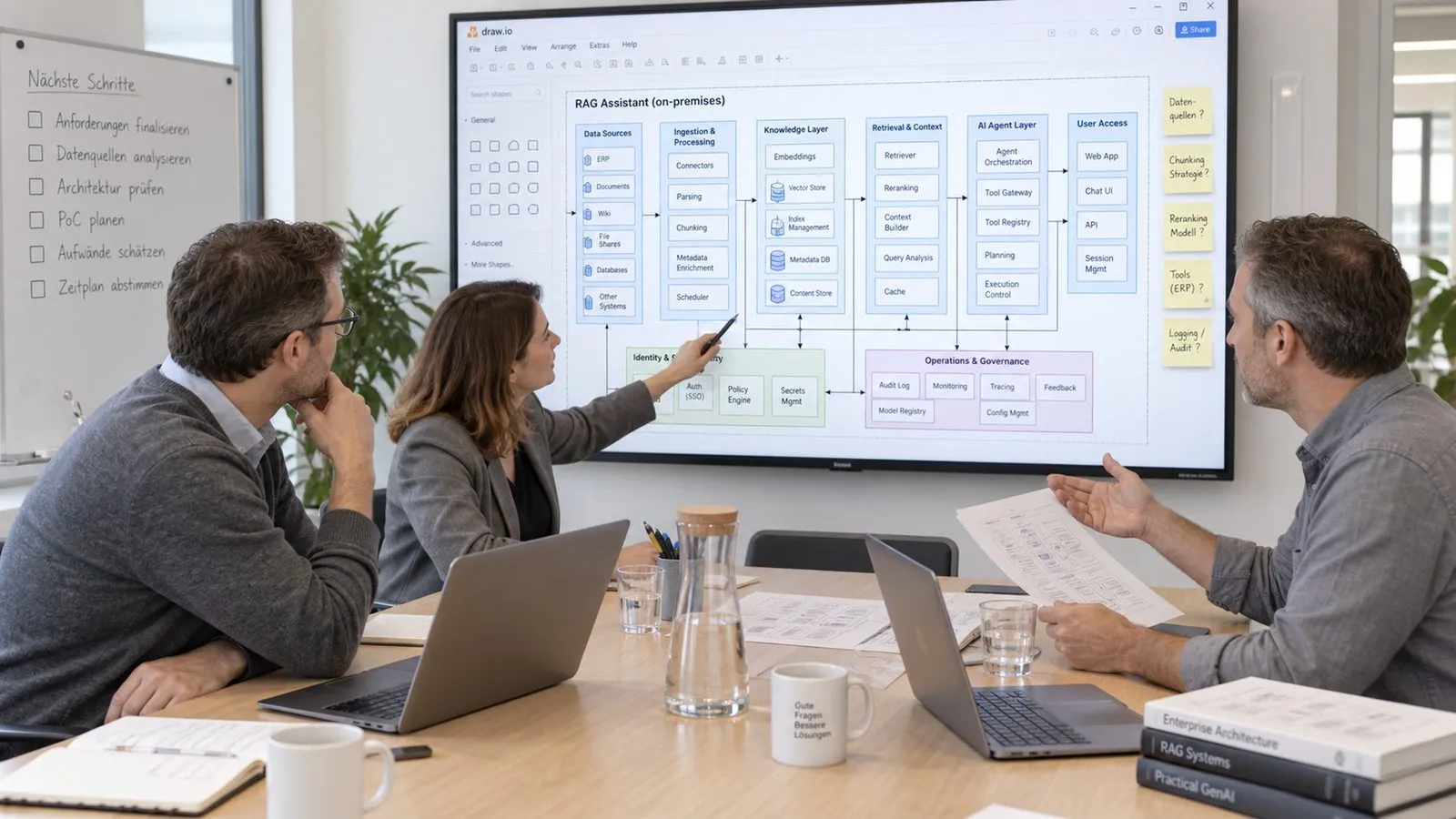
Requirements and architecture are recorded, and suitable hardware is selected and procured. Models and runtime environment are coordinated with interfaces, access and system requirements, and the solution is secured and put into operation.
Service, maintenance and further development can continue after commissioning. The exact scope is defined by the operating and service model in question.

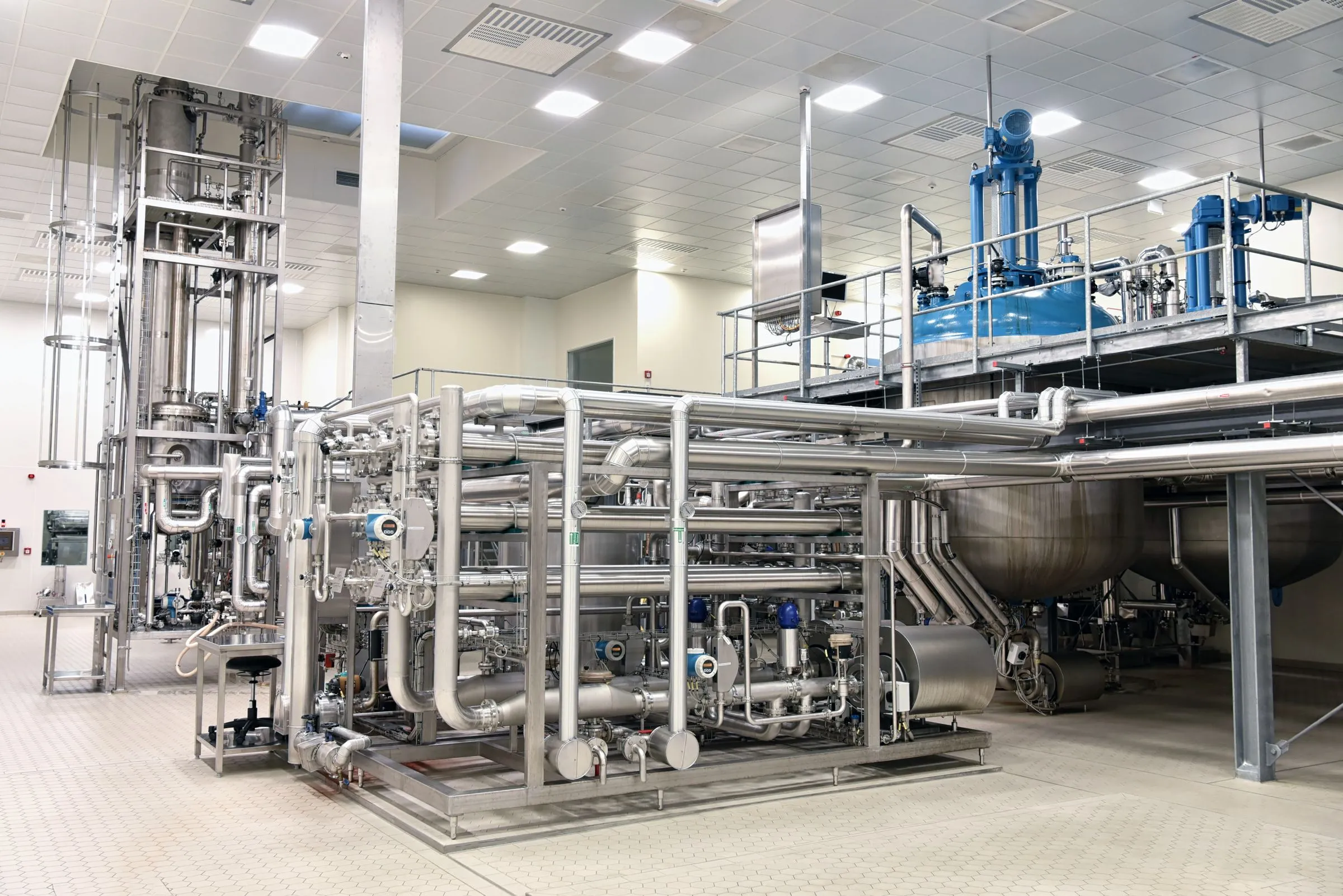
On-premise AI operation
Local operation complements cloud offerings and requires suitable hardware, a choice of model and clear operating responsibility.
 Ai
Ai1
Record AI needs
Those responsible discuss tasks and suitable use cases.
 Ai
Ai2
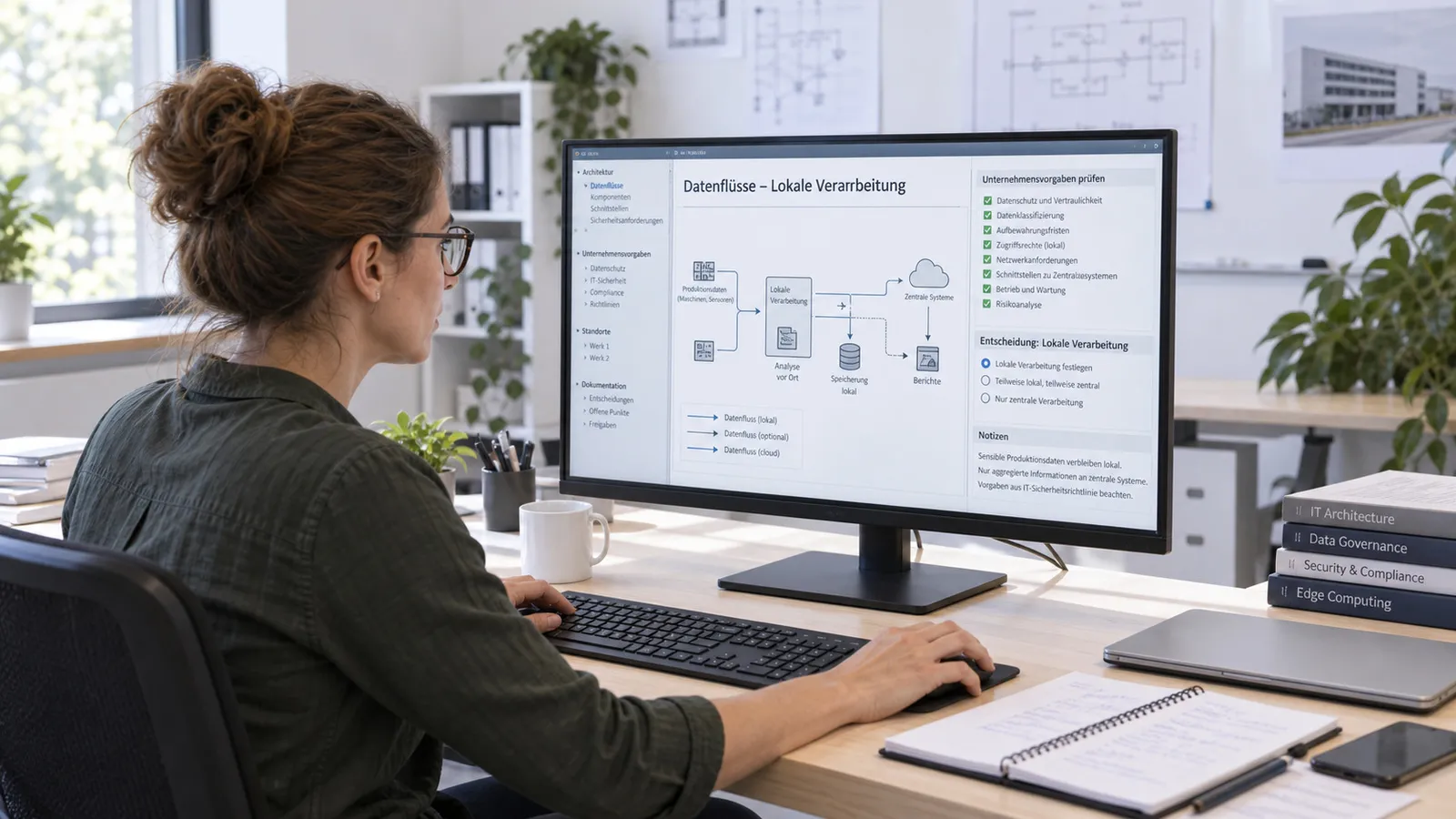
Plan local processing
Data flows and company requirements determine what is processed locally.
 Ai
Ai3
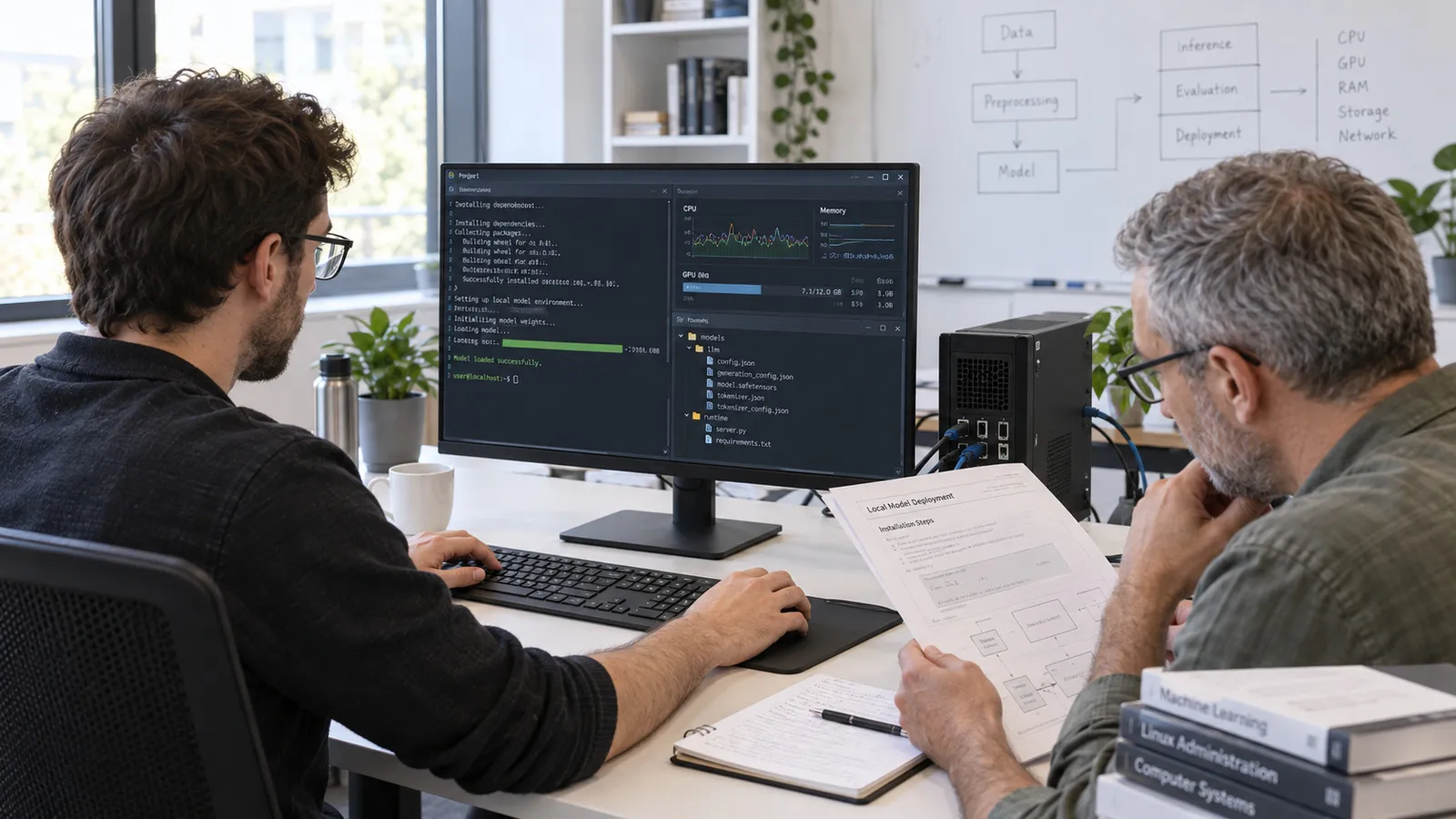
Install local AI
Model and runtime environment are set up on your own hardware.
 Ai
Ai4
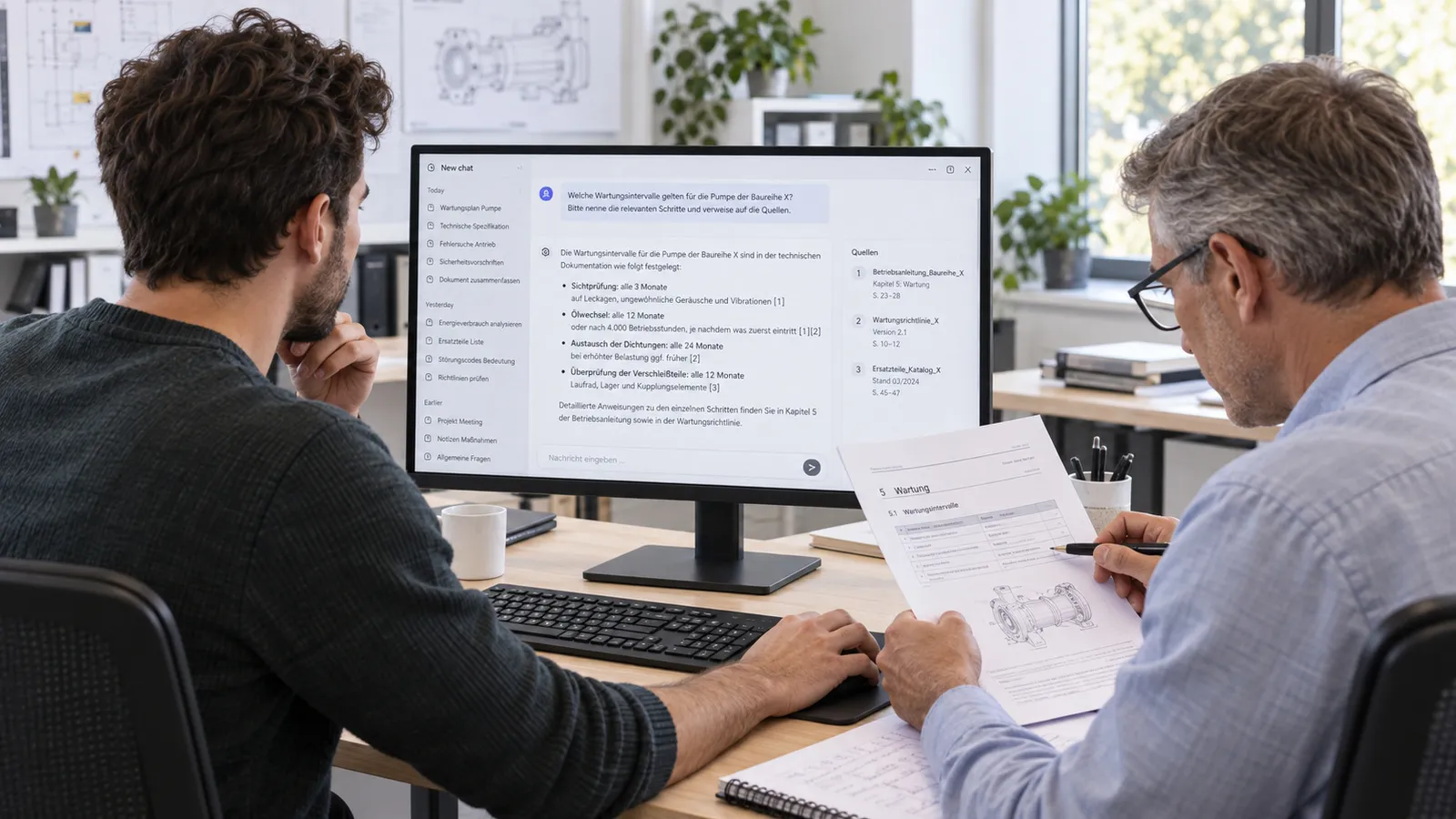
Use AI in everyday work
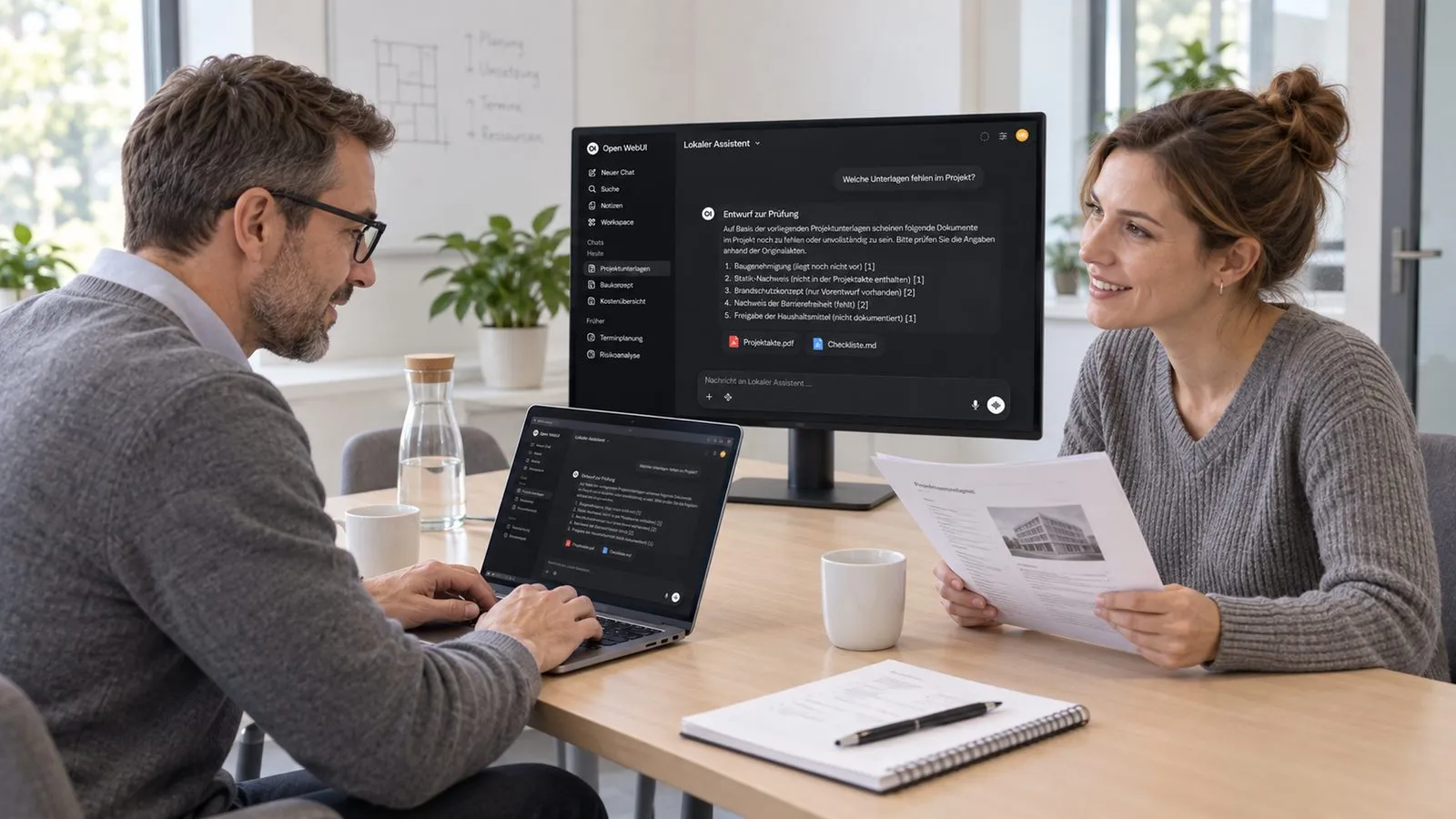
Your team trials the assistant and checks its answers against the documents.
After commissioning, models and requirements keep changing. On request, IQstruct Engineering takes on support, updates and service.
The AI environment is integrated into the existing server, virtualisation and backup structures and runs as part of IT operations.
IQstruct Engineering itself operates LLM-based knowledge management with RAG on its own hardware and brings this operating experience into customer projects.

Funding
Funding programmes may be available for consulting on and trialling your AI project.
IQstruct Engineering supports the survey, the project outline and the preparation of the application documents. Your company submits the application. Whether and to what extent funding is possible depends on the programme, the location and the project.
We are glad to answer your detailed questions in a personal conversation.
The connections and rights actually set up decide the protection. Local operation alone guarantees neither compliance nor complete data isolation.
IQstruct Engineering selects suitable hardware and procures it on request.
IQstruct Engineering offers support and service after commissioning; the scope is defined in the service model.
Every industry has its particularities. That calls for a reliable partner who knows the requirements and delivers suitable solutions.
First conversation
Describe your task. We agree a date and discuss the possible project scope.
 Ai
Ai1
You request an appointment
 Ai
Ai2
We discuss your requirements
 Ai
Ai3
You receive a quotation for the agreed scope

Describe your task in the contact form. We come back with a proposed date.
Arrange a first conversationBooking calendar
The booking calendar appears here. It loads only after your consent, because your browser connects to Microsoft in the process.
Discover further suitable services.
Structure virtual systems to suit operation, resources and recovery.
Combine monitoring, updates and support in one agreed operating model.
Classify requirements technically and organisationally before individual tools turn into operational processes.
Make released information usable via a connected AI knowledge base.
