


Open up existing systems in a targeted way
Existing interfaces and documentation are checked before implementation.
Suggestions appear from three characters.
No match. Try another term or choose a topic below.
Validate the controller against a model
The topic area at a glance
Customers we work for
Joint projects and their results
Working at IQstruct Engineering
ISO 9001 and TISAX
Alliances, associations, marketplaces
Quality policy and certificate
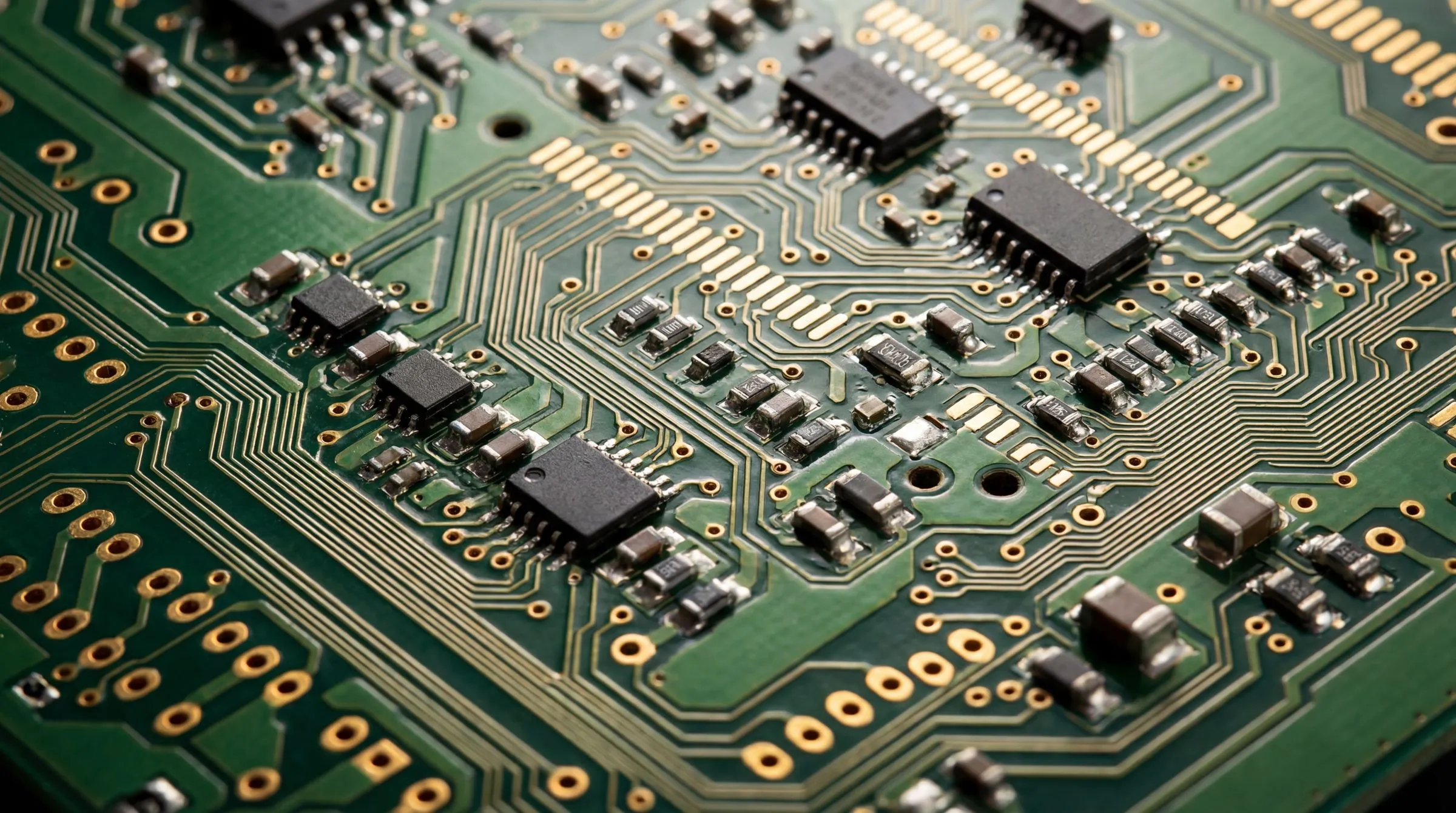
APIs and industrial interfaces connect the data and functions of existing applications.
An export is imported by hand, an interface delivers a new format, or the same message arrives more than once. Cases like these need unambiguous processing and traceable error paths. For a stable integration, data models, access rights and version changes have to be agreed. What also matters is how an interrupted transmission is resumed without losing information or processing it twice.
IQstruct Engineering develops APIs, clients and adapters for new architectures and for existing system landscapes. REST, GraphQL, gRPC and SOAP connect applications; OPC UA and MQTT open up industrial data. With legacy systems that are hard to reach, a protocol analysis or a retrofit can become necessary.
In a free first conversation we clarify which systems are to come together, which is the leading system and what traceability is required.
Existing interfaces and documentation are checked before implementation.
Authentication, certificates and roles are coordinated with the target systems.
Versioning, validation and retry strategies support reliable data handovers.
IQstruct Engineering develops APIs, clients and adapters for new architectures and existing system landscapes.
REST, GraphQL, gRPC and SOAP connect applications; OPC UA and MQTT open up industrial data. In new projects, interfaces and data flows are designed to suit the architecture from the start. In existing landscapes, we first check systems, interfaces and documentation.
For proprietary or poorly documented protocols, we carry out a protocol analysis where needed. If a legacy system cannot be connected securely with reasonable effort, we design a retrofit or the replacement of outdated components.

Interfaces
Machines, plants and IT systems exchange data via suitable connections, even across technical generations.
 Ai
Ai1
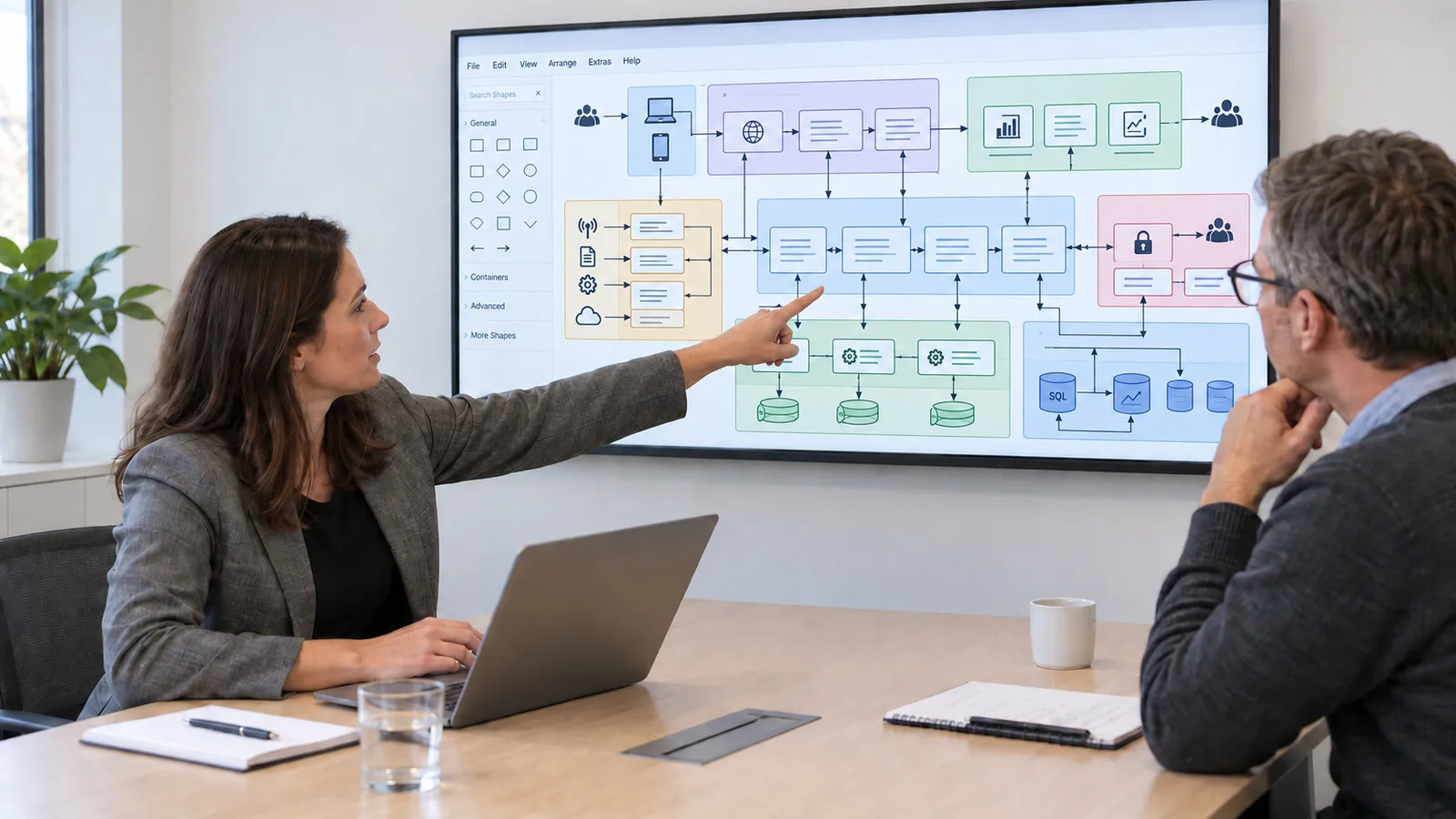
Plan the software architecture
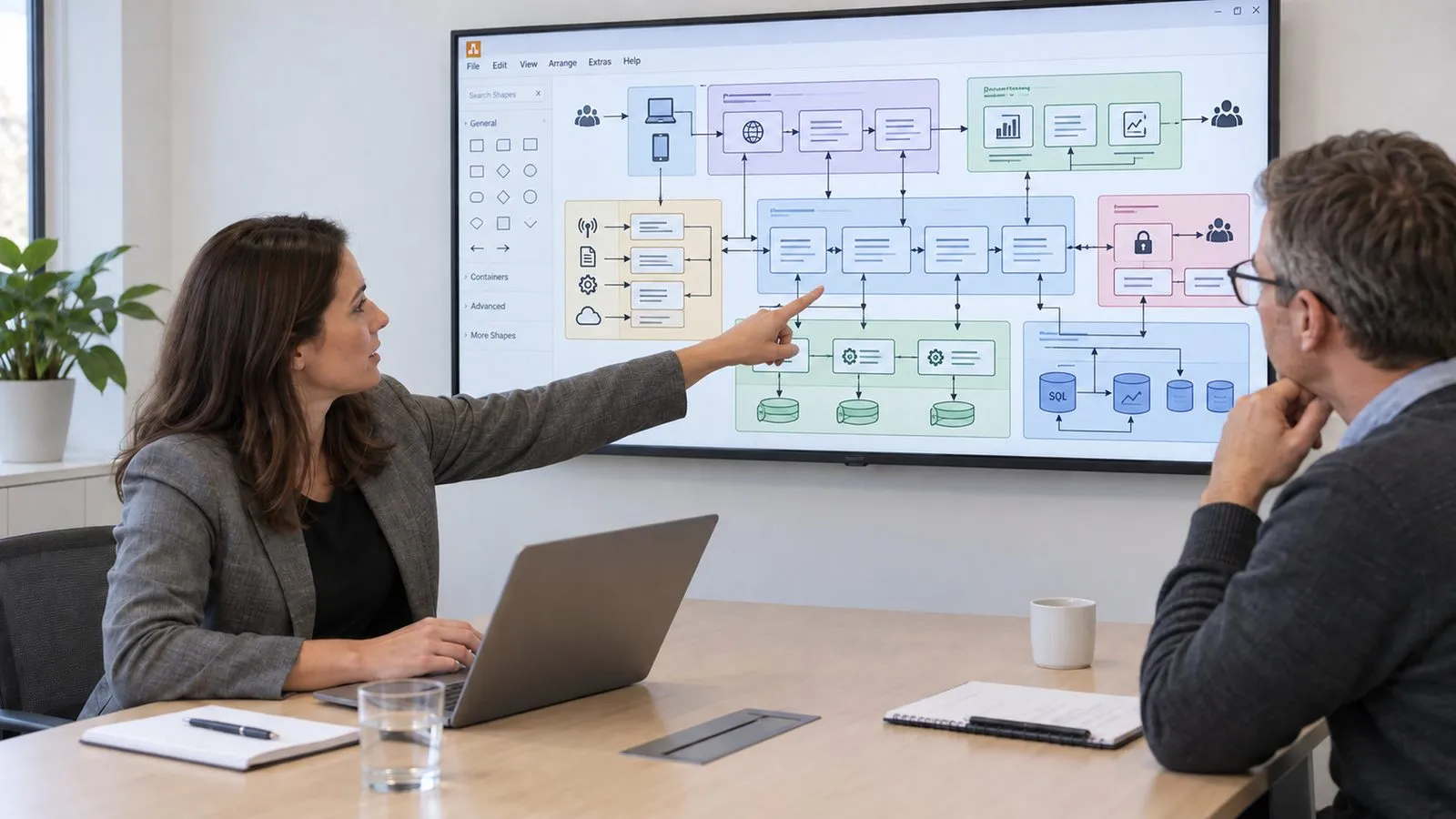
Components, interfaces and data paths are defined in an architecture diagram.
 Ai
Ai2
Implement interfaces
REST, gRPC, SOAP or identity connections are developed to suit the architecture.
 Ai
Ai3
Test the integration
Calls, authentication and error cases are tested against the target systems.
 Ai
Ai4
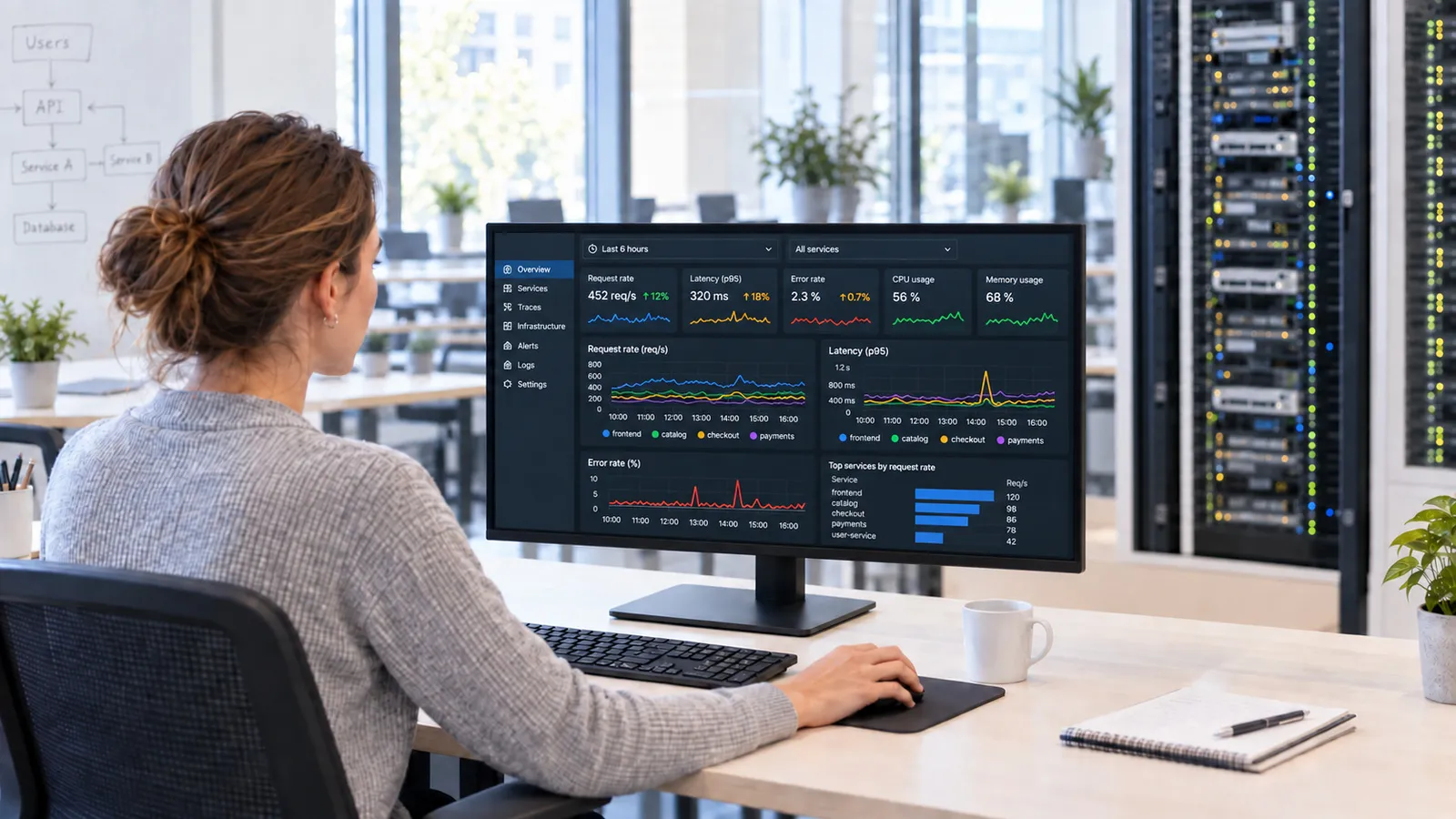
Monitor the application
Logs, server load and status displays are reviewed together.
Defined strategies repeat failed transfers in a controlled way.
The interface recognises repeats and processes them only once.
Schema validation and versions allow the systems involved to evolve.
Project experience
Route cards and technical information are kept in applications instead of on paper.
IQstruct Engineering has digitised a route card procedure that was previously handwritten and developed a tool management system for measurement records and settings. Applications like these connect the technical task with structured data storage. Interfaces and operation have to match so that information stays available within the workflow. This experience complements the development of our own products such as Aurora, in which data acquisition, processing and a web interface come together.
We are glad to answer your detailed questions in a personal conversation.
Then we examine a retrofit or the replacement of the outdated component as a lasting solution.
Depending on the system landscape, with OAuth 2.0 or OpenID Connect, SAML, API keys, certificates or mutual TLS, supplemented by roles and rights.
REST, GraphQL, gRPC and SOAP, and for industrial data additionally OPC UA and MQTT.
Every industry has its particularities. That calls for a reliable partner who knows the requirements and delivers suitable solutions.
First conversation
Describe your task. We agree a date and discuss the possible project scope.
 Ai
Ai1
You request an appointment
 Ai
Ai2
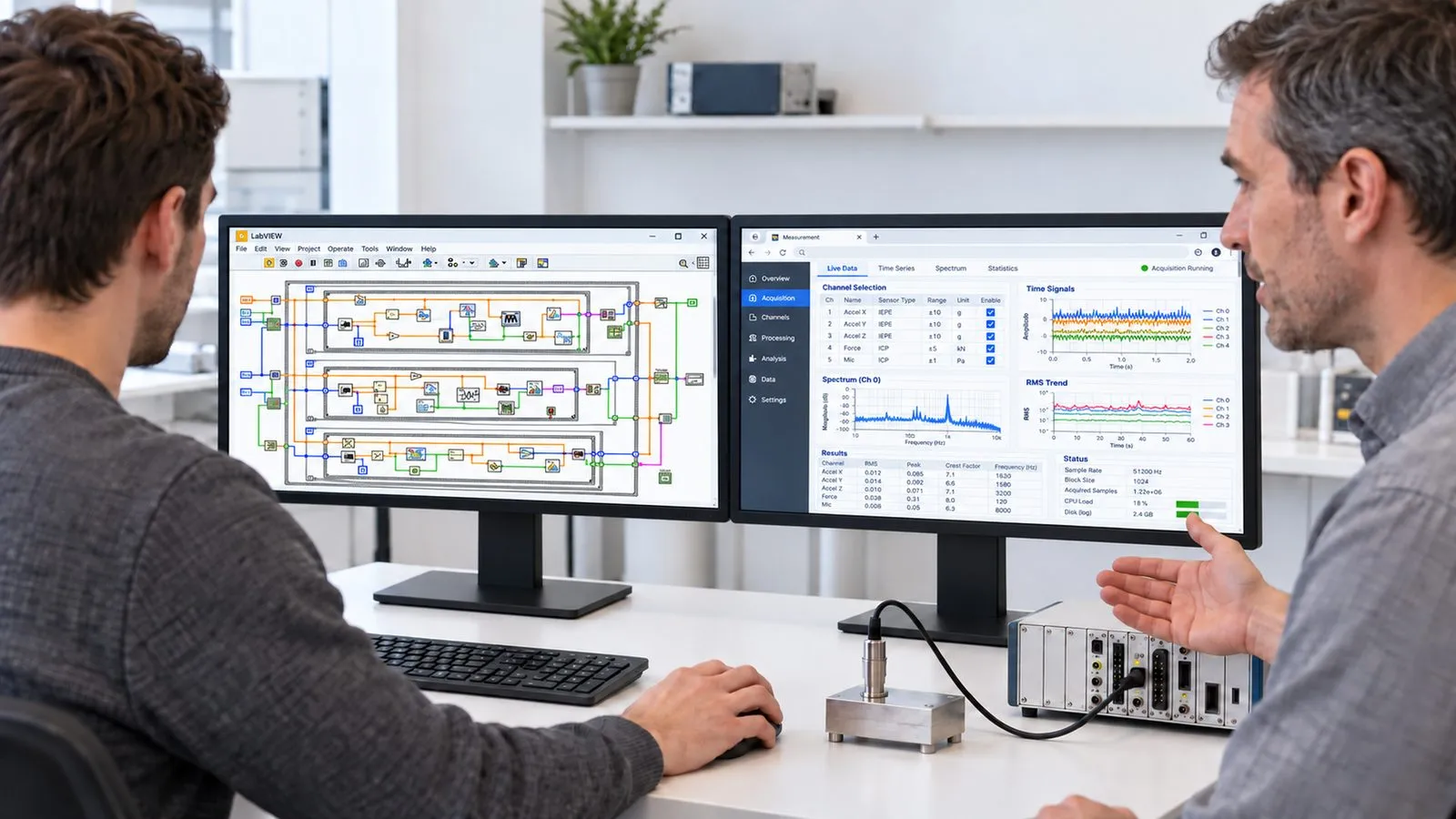
We discuss your requirements
 Ai
Ai3
You receive a quotation for the agreed scope

Describe your task in the contact form. We come back with a proposed date.
Arrange a first conversationBooking calendar
The booking calendar appears here. It loads only after your consent, because your browser connects to Microsoft in the process.
Discover further suitable services.
Open up machine information via OPC UA, controller adapters and other existing interfaces.
Connect assistants with ERP, office applications and existing data sources.
Develop backend services that connect industrial data, business logic and applications.
