Test real programs on the model
PLC, robotics, devices and connected systems are coupled within the agreed test scope.
Suggestions appear from three characters.
No match. Try another term or choose a topic below.
Validate the controller against a model
The topic area at a glance
Customers we work for
Joint projects and their results
Working at IQstruct Engineering
ISO 9001 and TISAX
Alliances, associations, marketplaces
Quality policy and certificate
 Ai
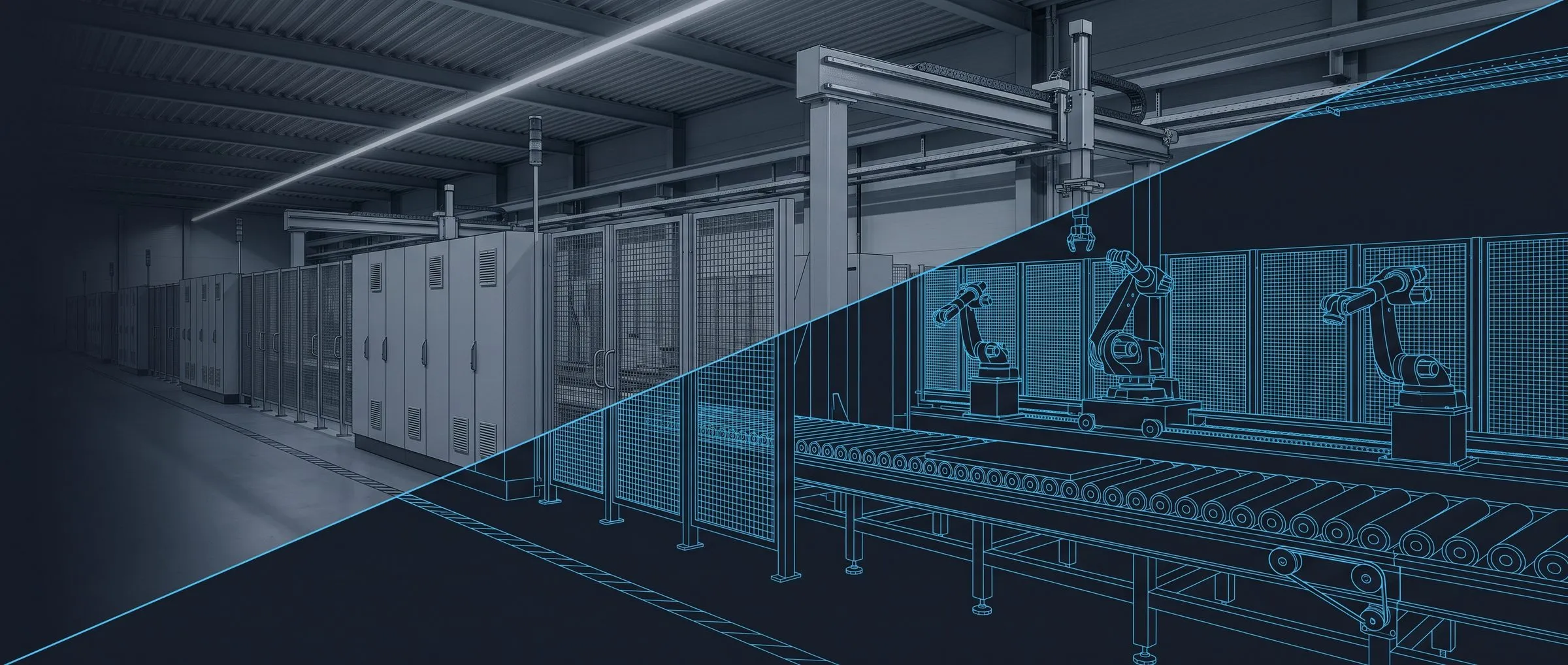
AiVirtual commissioning moves control tests into the time before the plant is built.
The plant is still being assembled, but the date for the ramp-up is already fixed. PLC, robotics and connected systems have to work together while changes keep coming in. If testing only happens on the real machine, troubleshooting and rework tie up the specialists on site; open acceptances can also postpone agreed payments. An early, agreed test of the control software creates room for corrections before they weigh on the ramp-up.
Model boundaries, test cases and the handover to the real machine have to be agreed with all trades involved.
In a free first conversation we establish what can be validated on a model at your plant and which data needs to be available for it.
PLC, robotics, devices and connected systems are coupled within the agreed test scope.
Software versions and model are updated together.
Operator training, variants and conversions can build on the existing model.
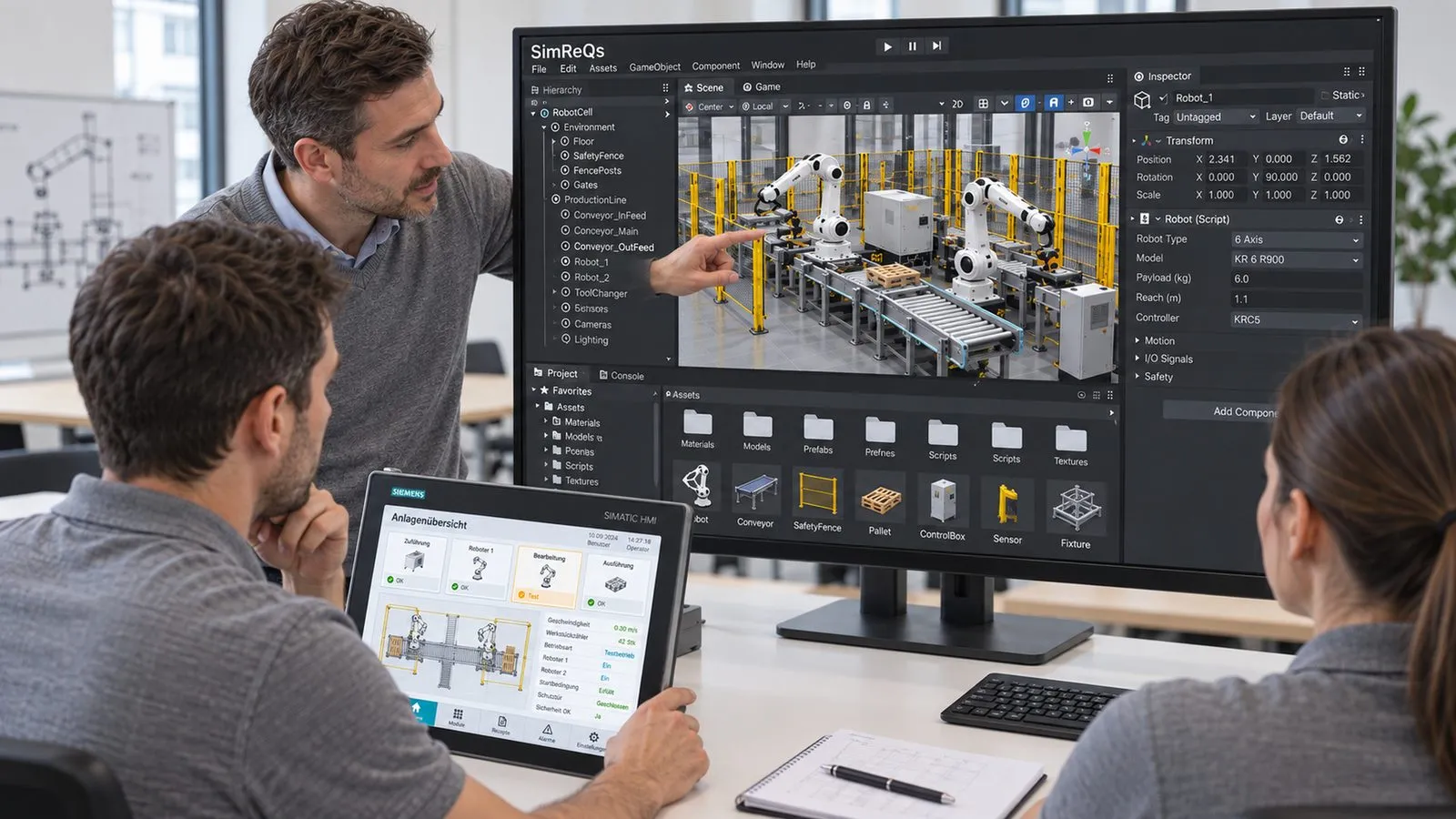
Design data, circuit diagrams and sequence descriptions are turned into a plant model against which the real control programs run.
Axes and motors receive their movements, and dependent parts are connected into kinematic chains. Workpieces carry the data the sequence needs in addition to their geometry. Virtual sensors and cameras read Data Matrix codes, barcodes or RFID tags, and stoppers on the roller conveyors hold the material wherever the real plant holds it.
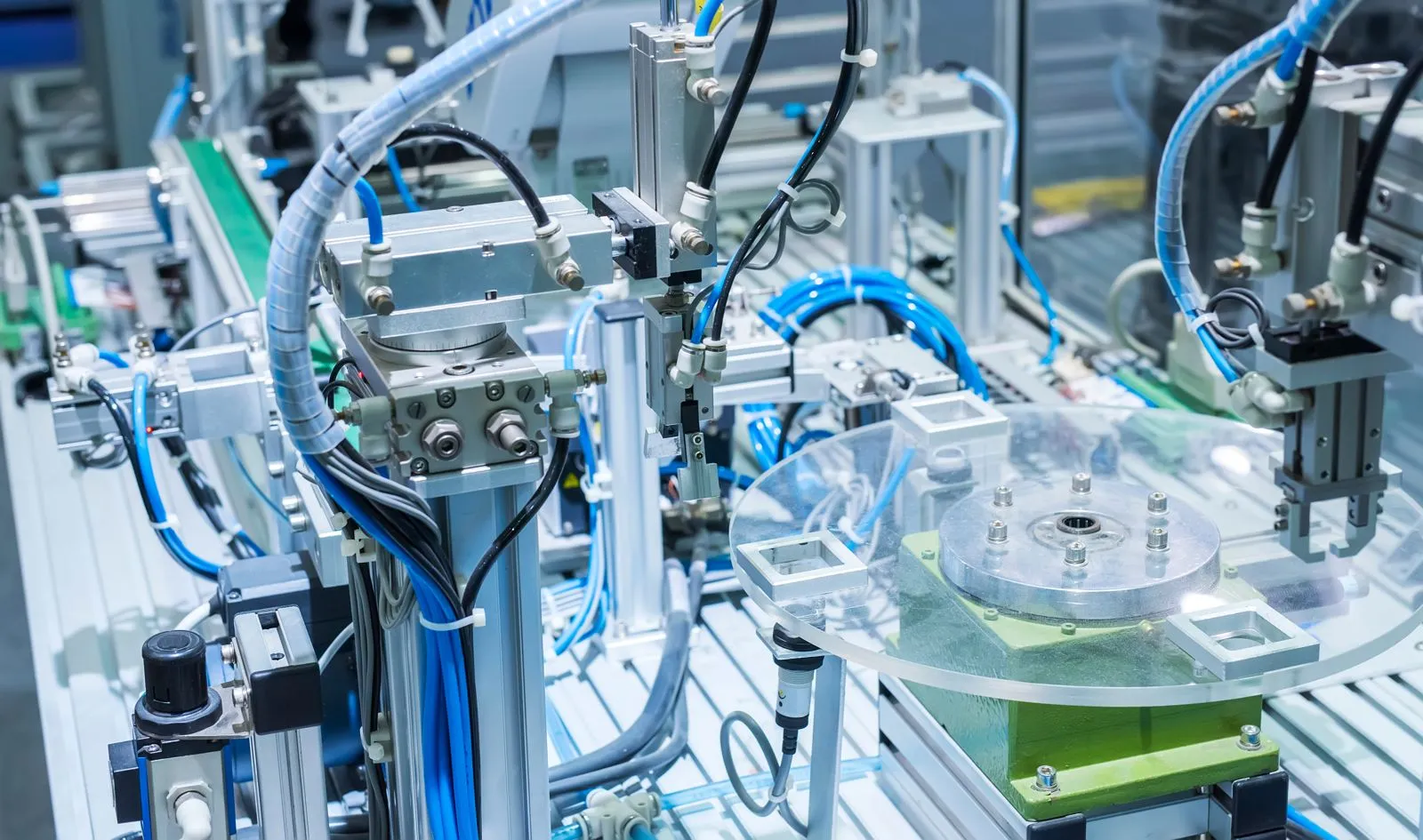
Every relevant component receives a behaviour model, from the pneumatic cylinder on the valve to the door safety switch on PROFINET. The PLC and robot programs control the model through the same signals as the plant later on, and the feedback travels the same way back. Program sequences can thus be run in full, observed and tested reproducibly.
If manufacturing execution systems, image processing PCs or IIoT applications belong to the process, IQstruct Engineering develops suitable emulations and interfaces, for example via OPC UA or MQTT. The level of detail follows the test objective. Physical effects that can only be assessed on the real plant remain part of on-site commissioning.
 Ai
AiAfter acceptance
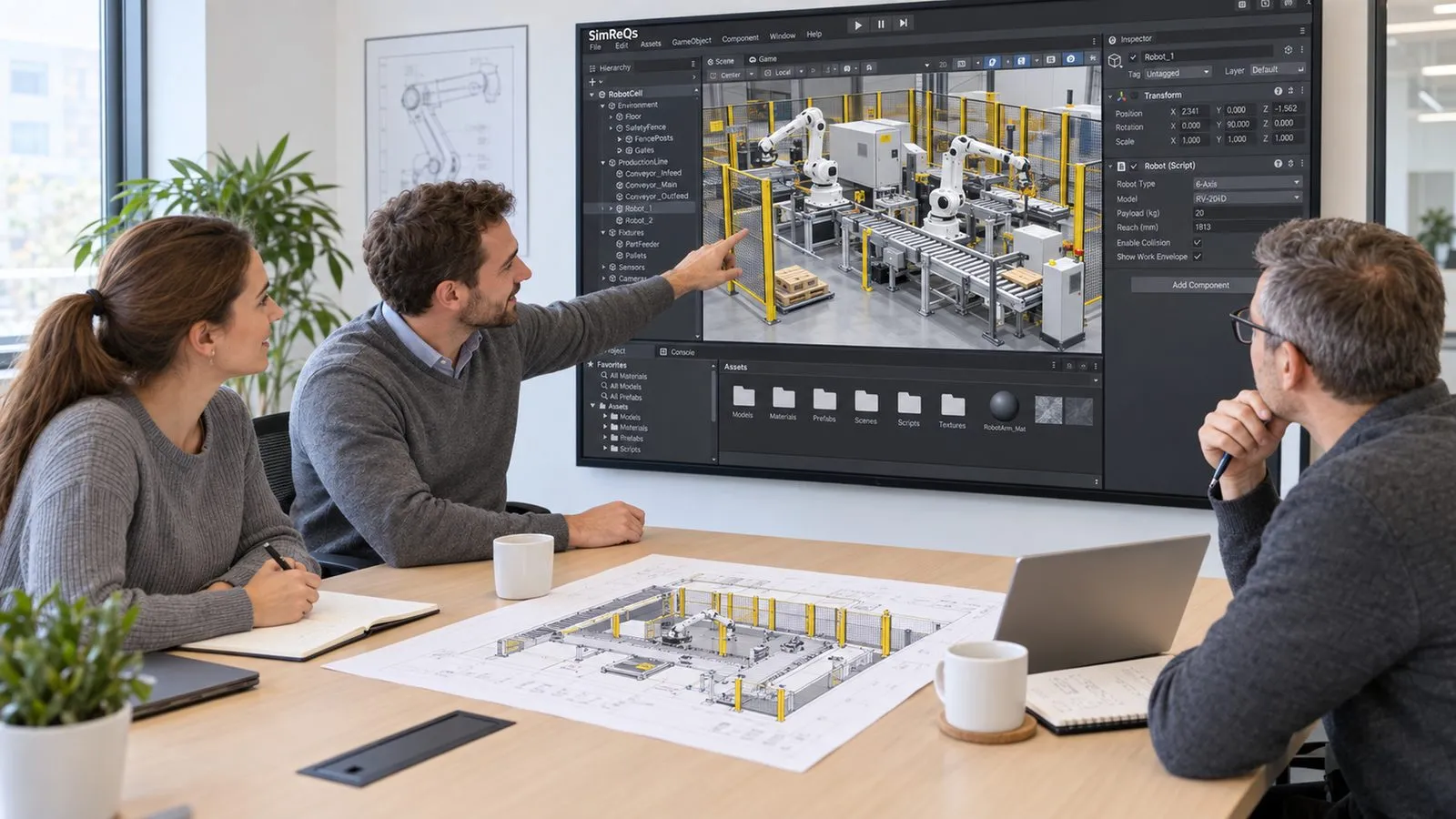
Training, conversions, variants and retests of changed software build on the existing model.
Each phase ends with a result on which the next one builds.
 Ai
Ai1
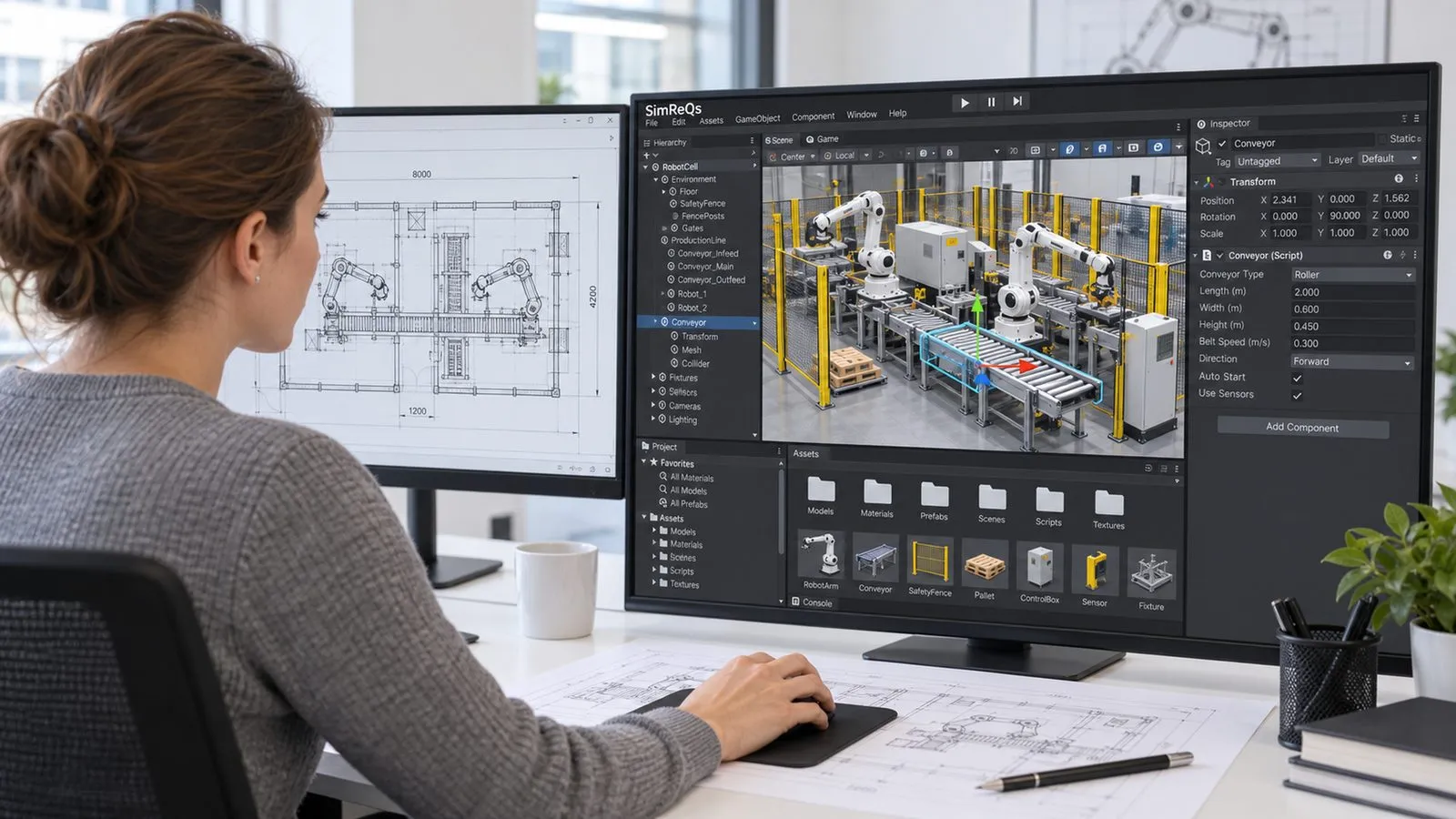
Understanding and enablement
Project goals, test objectives, roles, data and model boundaries are agreed with the departments involved.
 Ai
Ai2
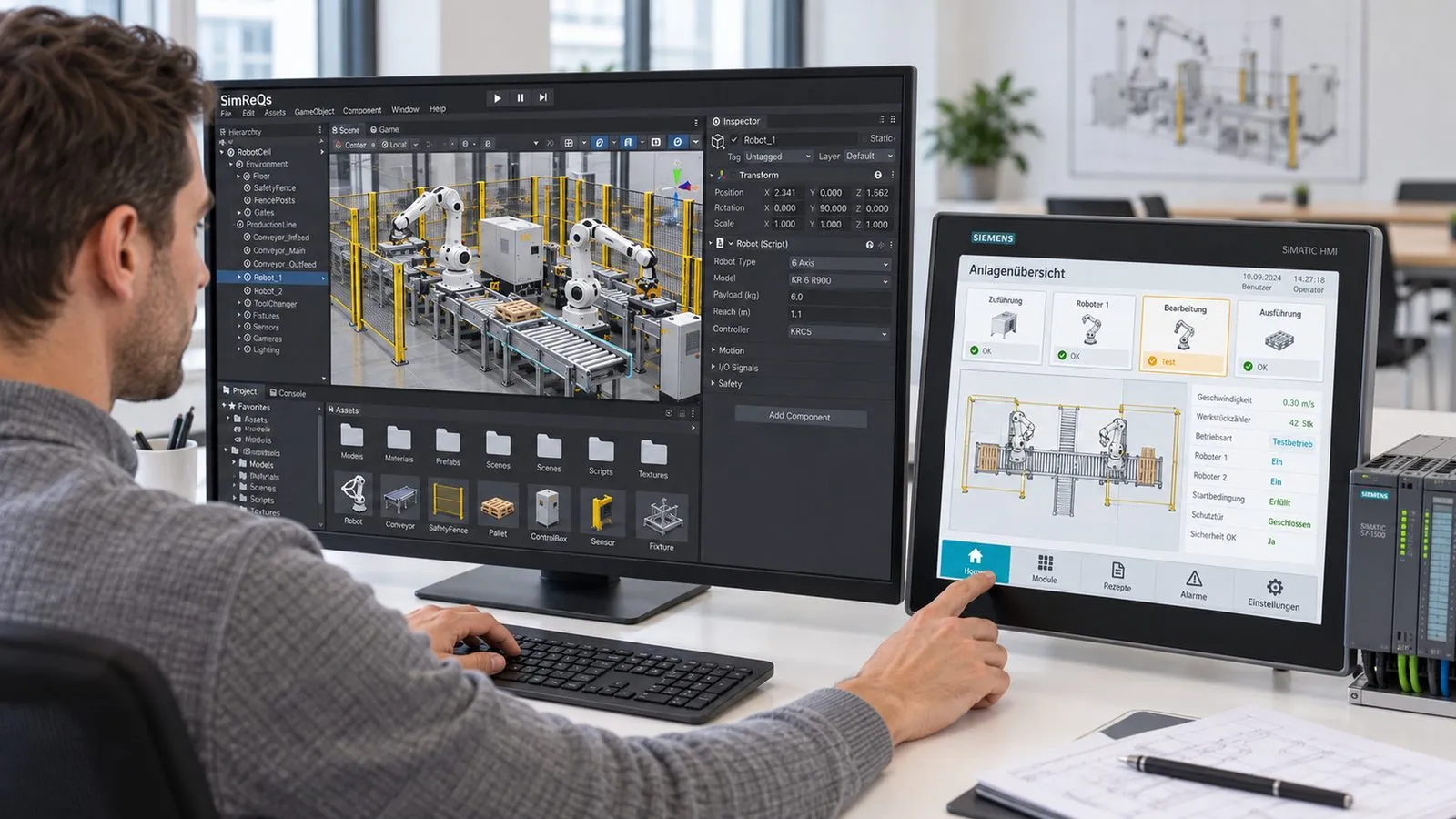
Validation and modelling
Design, electrical and process data are checked and built up into kinematics, sensors, conveyor technology and behaviour models.
 Ai
Ai3
Virtual commissioning
The real programs control the model through a bidirectional coupling; the phase ends with an accepted software version.
Ai4
Training and reuse
The model then serves for training, variants, conversions and retests of changed software.
Rare or critical states can be repeated on the model under control without blocking the real plant.
Components receive the right commands and report their states correctly to the controller and robot.
Dependencies between stations, devices and operating modes are run through completely.
The automatic sequence, infeed and outfeed operations and special plant modes are tested within the agreed scope.
Fault and restart situations are triggered and observed insofar as they belong to the test objective.
The platform follows the customer specification, the control technology, the existing tool landscape and the test objective.
Cameras, drives and IT-related components influence the control behaviour. For these, IQstruct Engineering integrates suitable simulations or emulations and adds custom software.




Project experience
IQstruct Engineering has worked with suppliers of an automotive OEM on the virtual commissioning and ramp-up of battery production lines.
The work covers sites in Europe and worldwide. IQstruct Engineering already worked on the virtual commissioning for the production of the predecessor series in Germany.
We are glad to answer your detailed questions in a personal conversation.
Virtual commissioning tests the modelled behaviour. Tests of the real installation, mechanics and protective functions on the plant remain necessary. The model boundary is defined jointly before the model is built.
Useful are layouts, sequence descriptions, electrical circuit diagrams, CAD data of the plant and the workpieces, PLC and robot programs and overviews of PROFINET and the connected systems. We clarify what is missing when we review the enquiry.
Each test case is recorded with its test date and result. The list documents the test progress and serves as the acceptance document at the end; its form can be adapted to customer specifications.
The handover comprises the simulation model, its technical documentation with the software versions used, operating instructions for the model and the test and acceptance documentation. If IQstruct Engineering also did the programming, the PLC project is included.
Ideally, assembly and virtual commissioning run in parallel. After the I/O check on the real plant, commissioning starts with the virtually tested software version; changes made on site are then fed back into the model.
Every industry has its particularities. That calls for a reliable partner who knows the requirements and delivers suitable solutions.
First conversation
Describe your task. We agree a date and discuss the possible project scope.
 Ai
Ai1
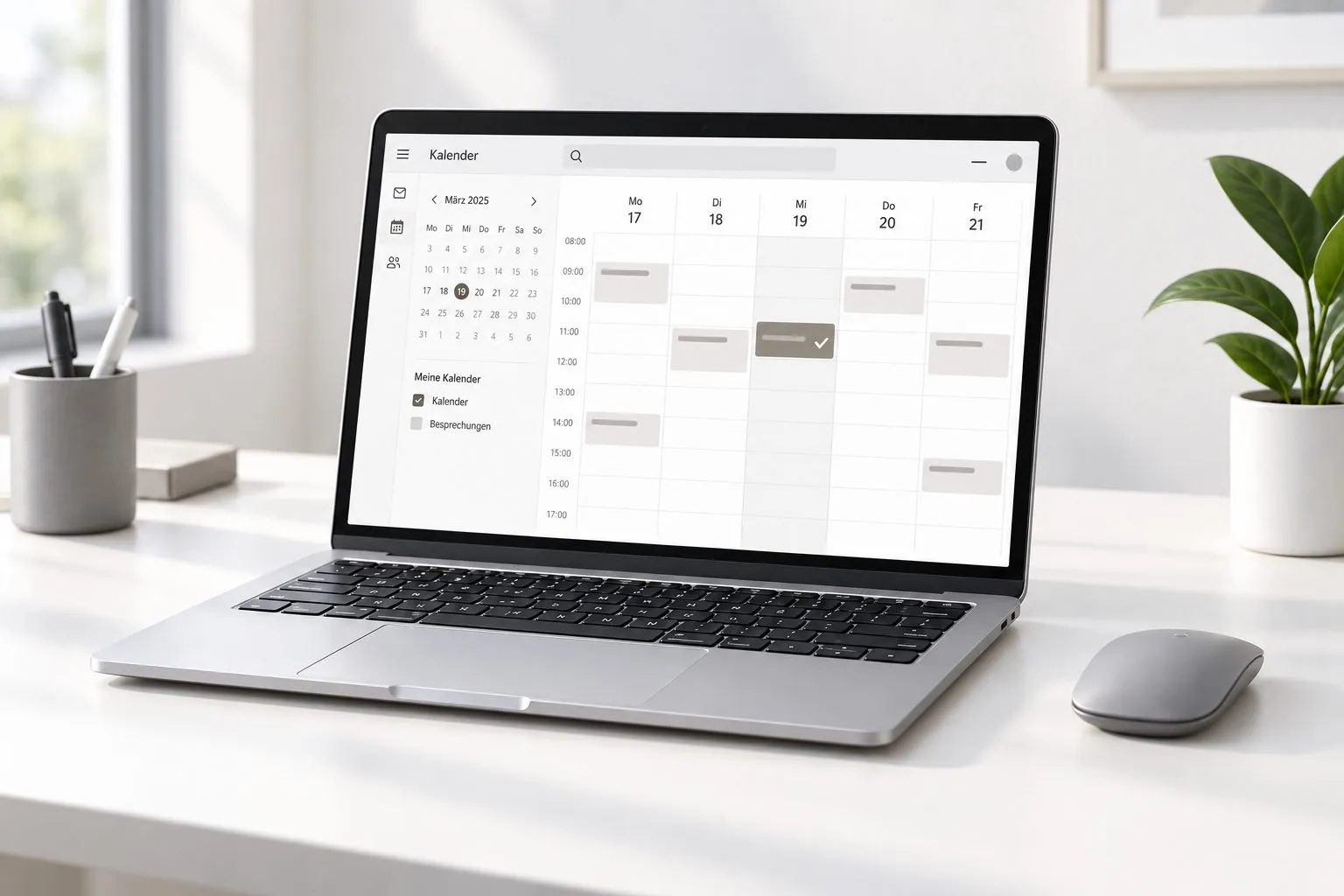
You request an appointment
 Ai
Ai2
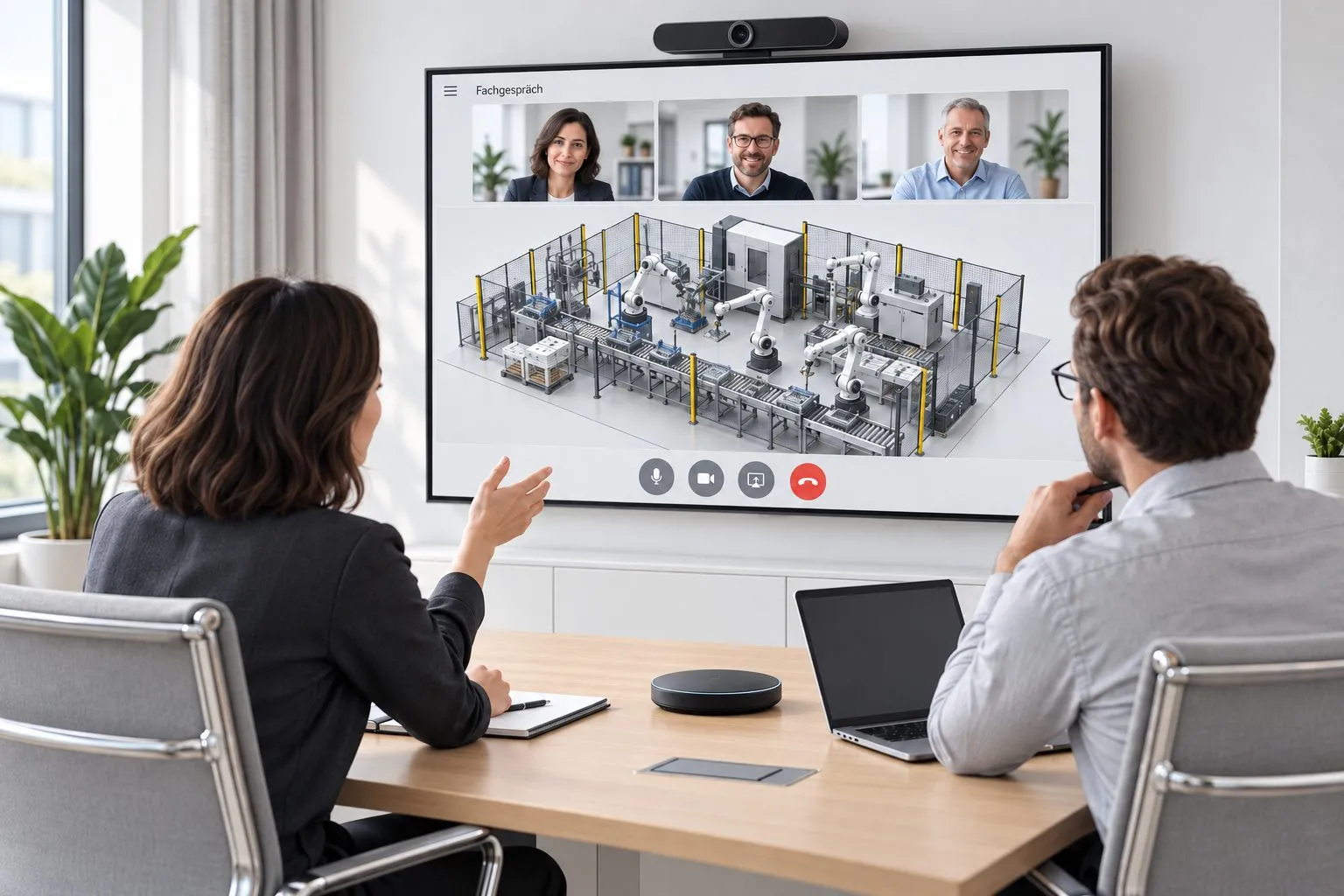
We discuss your requirements
 Ai
Ai3
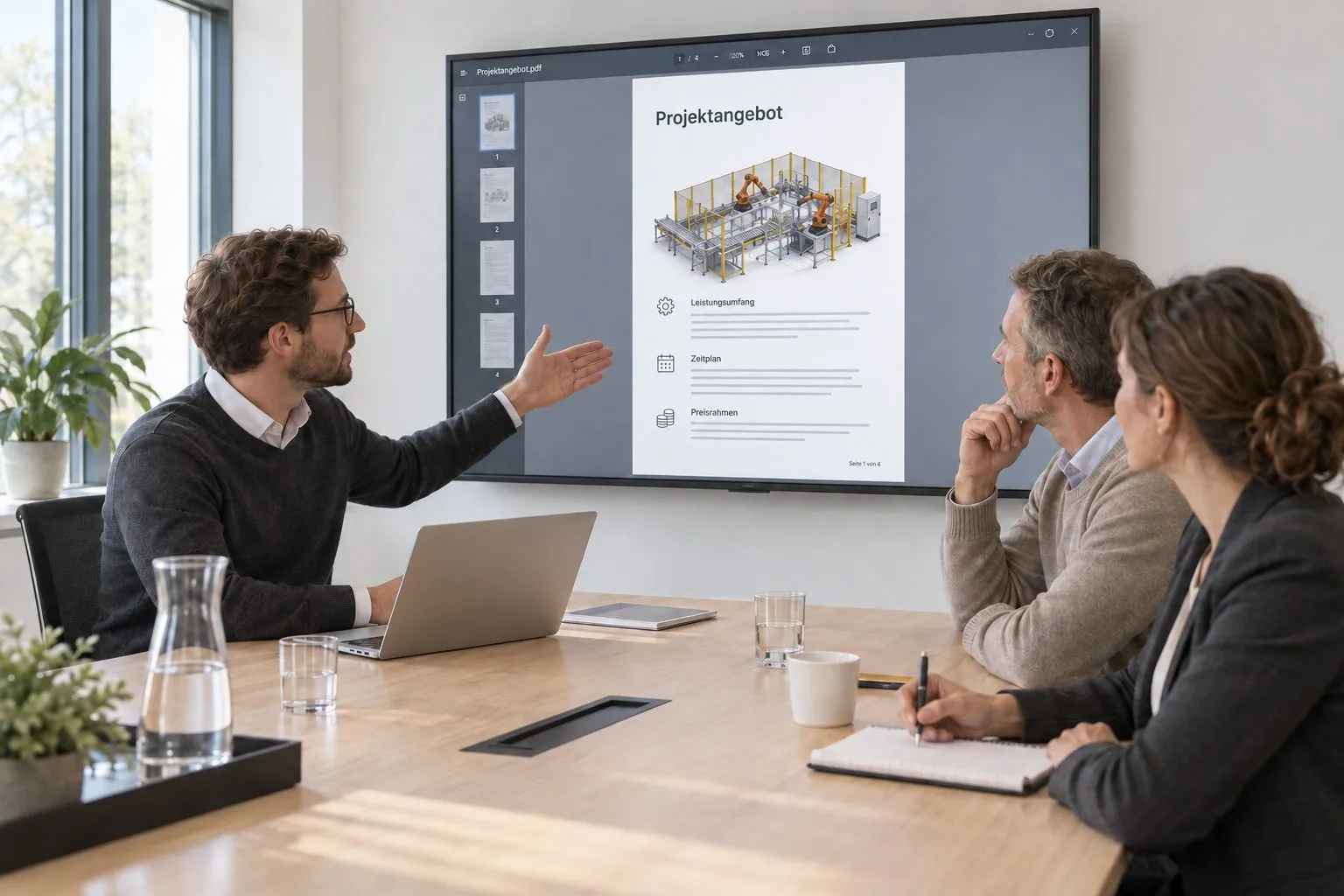
You receive a quotation for the agreed scope

Describe your task in the contact form. We come back with a proposed date.
Arrange a first conversationBooking calendar
The booking calendar appears here. It loads only after your consent, because your browser connects to Microsoft in the process.
Discover further suitable services.
Connect sequence control, operation and diagnostics in one coordinated automation concept.
Compare cycle times, buffers and utilisation before you decide on layout or capacity.
Use the virtual commissioning model for operation, troubleshooting and restart.